
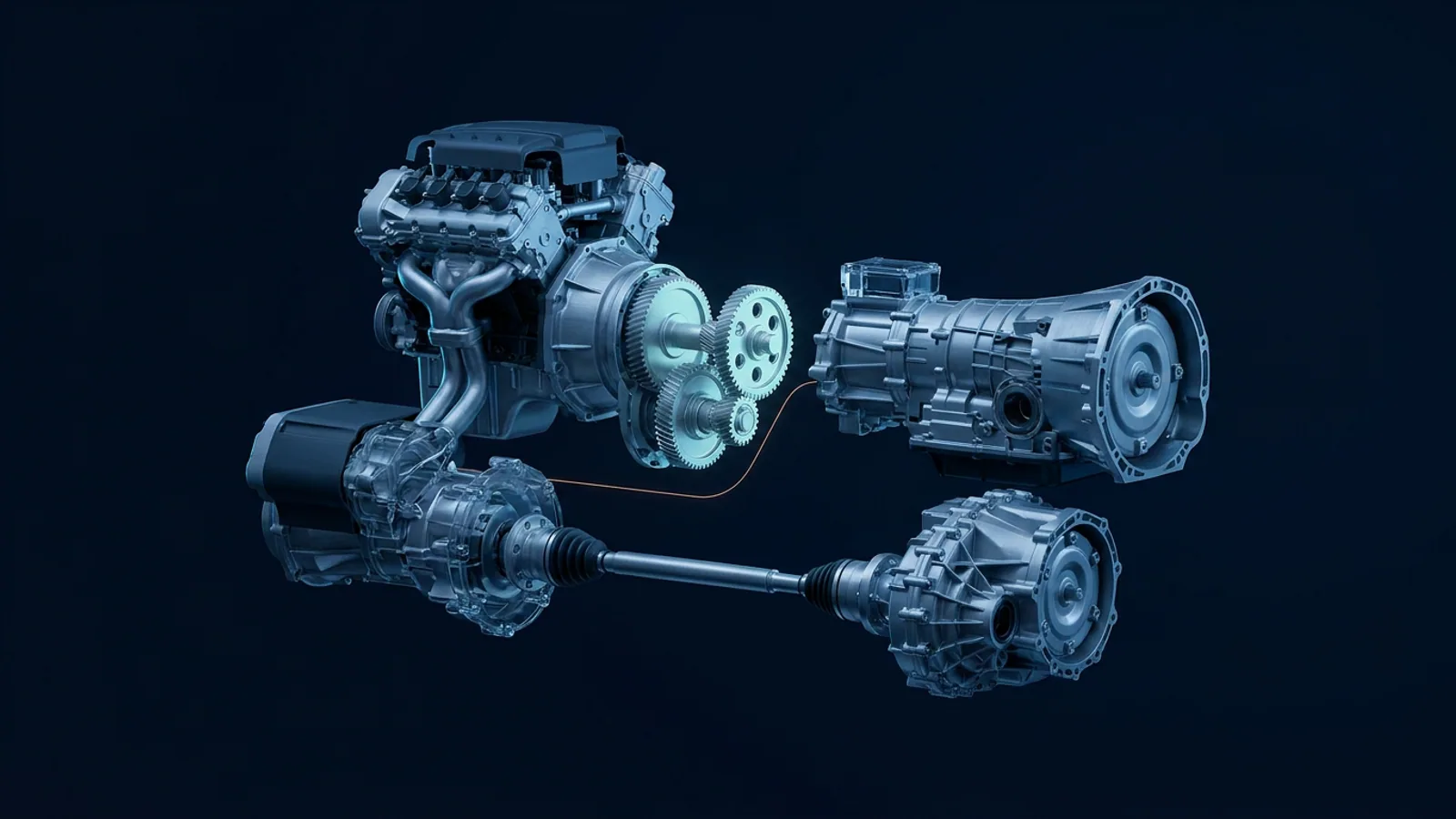
Power comes from the complete engine system. Adding one component may remove a restriction, but it also changes airflow, temperature, fuelling or control requirements elsewhere. A coherent project begins with an objective and a healthy vehicle.
Define the use first
A daily road car, towing vehicle, track car and competition build need different torque delivery, cooling margin and durability. The largest advertised number may be the wrong target for how the vehicle is actually used.
Identify the first real limit
On one engine the turbocharger may be the limit; on another it may be fuel delivery, charge temperature, clutch capacity or exhaust flow. Replacing parts without diagnosis can move the problem rather than solve it.
Match calibration to hardware
Swaptune asks the partner to document every relevant modification. The calibration can then reflect the actual injectors, turbo, intake, exhaust and fuel. Undeclared hardware makes correct control impossible.
Routine Stage 1 and compatible Stage 2 services fit our network model. Highly modified projects are better handled by a development centre with a dyno and specialist instrumentation.
FAQ
Does an intake alone add the advertised power?
Not necessarily. Results depend on the original restriction and the complete setup.
Should hardware be installed before the calibration?
For a calibration that depends on that hardware, yes, following an agreed project plan.
Is peak power the only objective?
No. Response, temperature, consistency, transmission limits and use are equally important.