
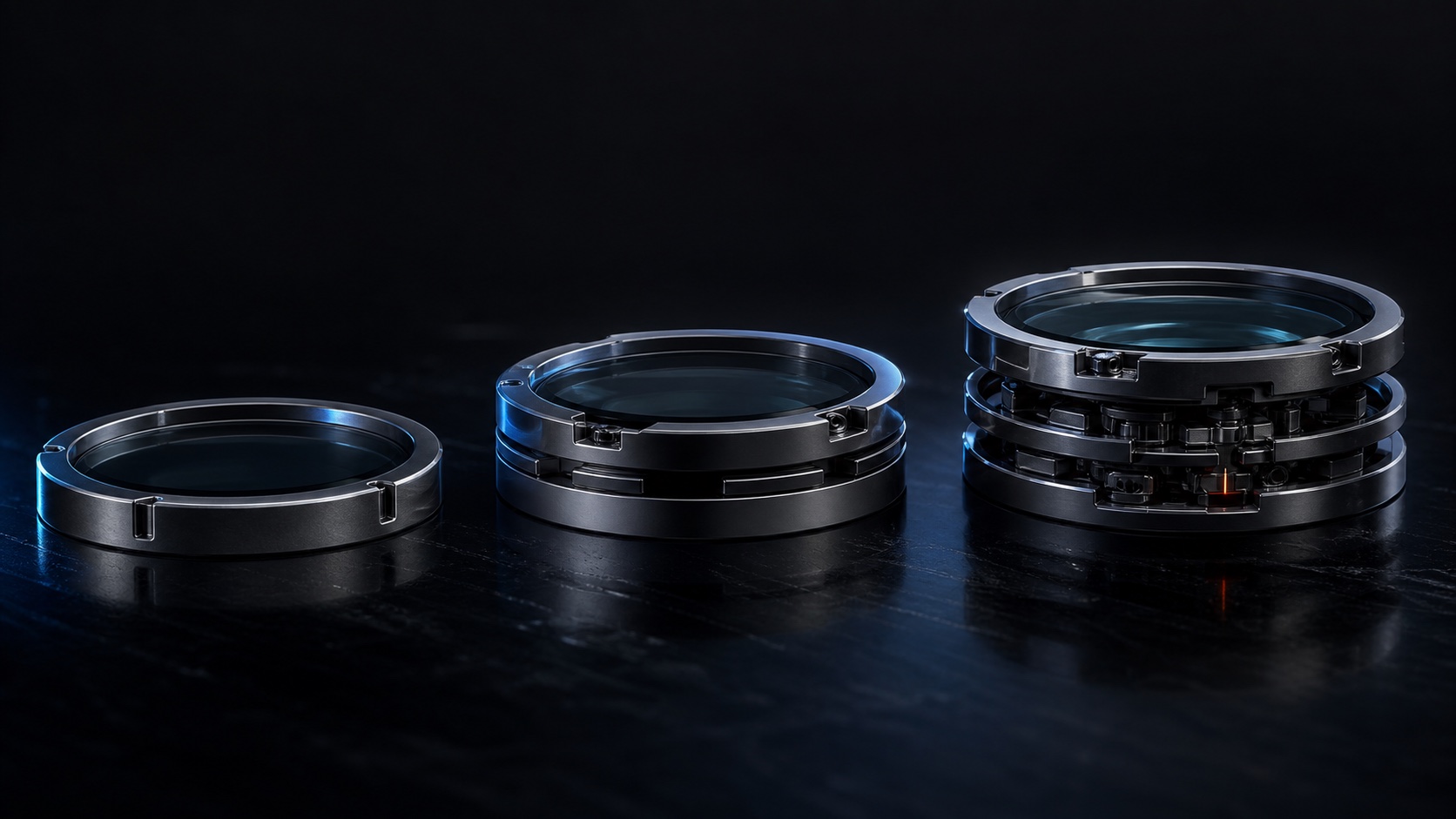
In short: Stage 1 optimises software on a mechanically standard vehicle. Stage 2 supports specific hardware upgrades. Stage 3 is a deeper engineering project that normally requires full dyno development.
Stage 1
Stage 1 recalibrates torque management, boost, ignition, fuelling and protections while retaining the original mechanical configuration. A responsible calibration accounts for the engine, transmission, fuel, vehicle condition and intended use.
Stage 2
Stage 2 pairs software with configuration-specific hardware such as improved cooling, intake or an approved exhaust system. There is no universal parts list, and the calibration must match the exact vehicle.
Stage 3
Stage 3 usually means a different turbocharger, fuel system or internal engine components. It is a complete development project best handled by a specialist centre with a dyno and additional instrumentation.
Which one is right for a road car?
For most drivers, a well-developed Stage 1 offers the clearest balance of drivability, performance and simplicity. Stage 2 makes sense when the supporting hardware and intended use justify it.
What to compare before choosing
Ask about required hardware, fuel, transmission limits, validation and aftercare. Moving from Stage 2 to Stage 3 changes the nature of the project, not only its price.