
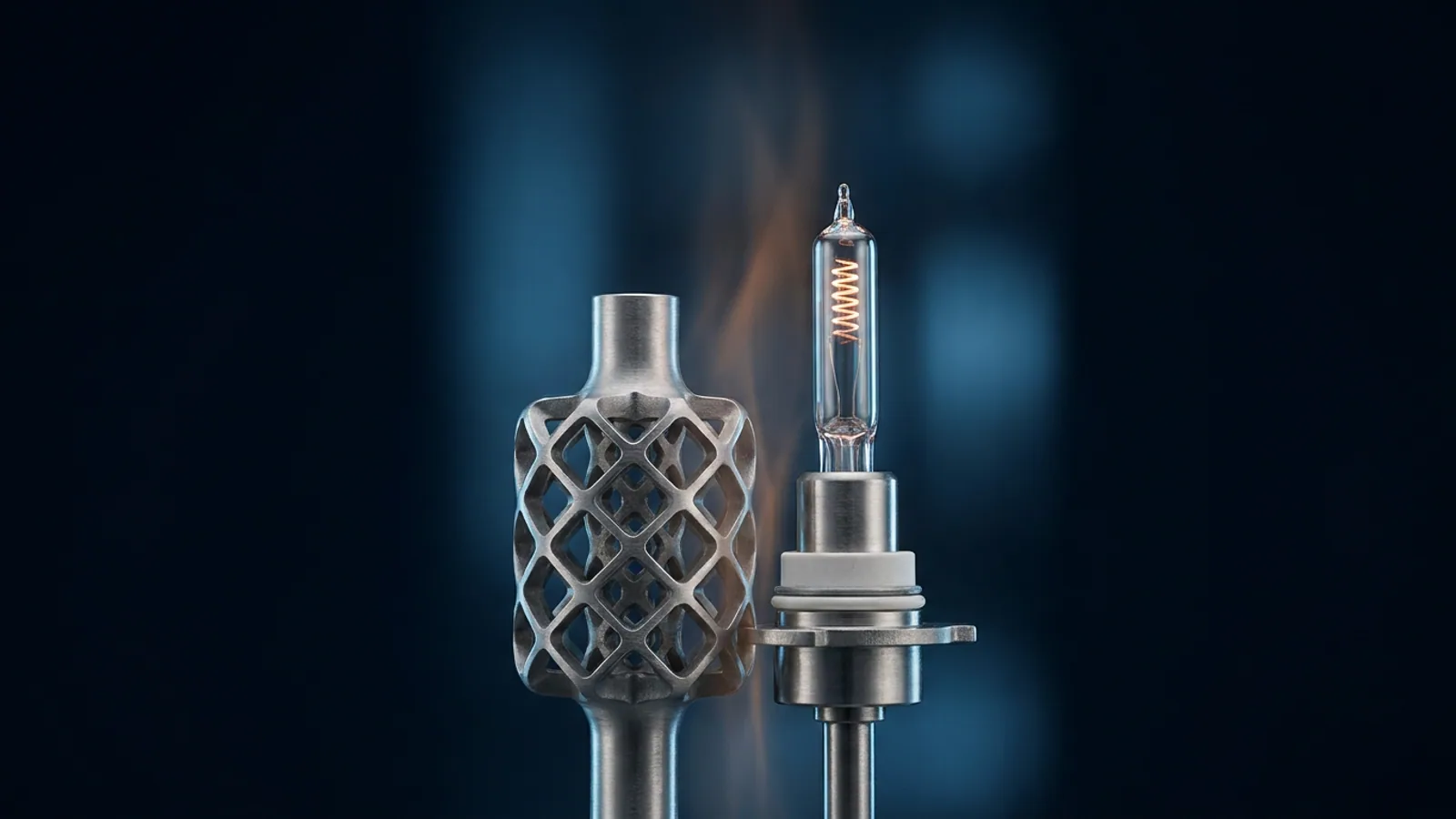
The catalytic converter treats harmful exhaust components after combustion. Lambda sensors measure oxygen in the exhaust so the ECU can control the mixture and verify that treatment is working as expected.
The upstream sensor
The sensor before the catalyst is a key input for mixture control. The ECU compares its signal with the requested air-fuel ratio and applies corrections. A false reading can therefore affect consumption, drivability and emissions.
The downstream sensor
The sensor after the catalyst is mainly used to monitor catalyst efficiency. Its signal should not simply copy the upstream behaviour when the catalyst is operating correctly.
Why diagnosis comes first
A catalyst-efficiency fault can result from an aged catalyst, but also from misfires, oil consumption, exhaust leaks, mixture problems or a failing sensor. Replacing or masking one component without finding the cause risks a repeat failure.
Performance tuning should only be carried out on a vehicle with stable mixture control and no unresolved combustion fault.
In the Swaptune process, the partner resolves existing lambda or catalyst faults before our team prepares a performance calibration.
FAQ
Does a lambda sensor measure fuel directly?
No. It measures oxygen in the exhaust, from which the control system infers mixture behaviour.
Can a misfire damage the catalyst?
Yes. Unburned fuel can overheat and damage it.
Is removing a catalyst warning a repair?
No. It does not restore exhaust treatment or correct the cause.