
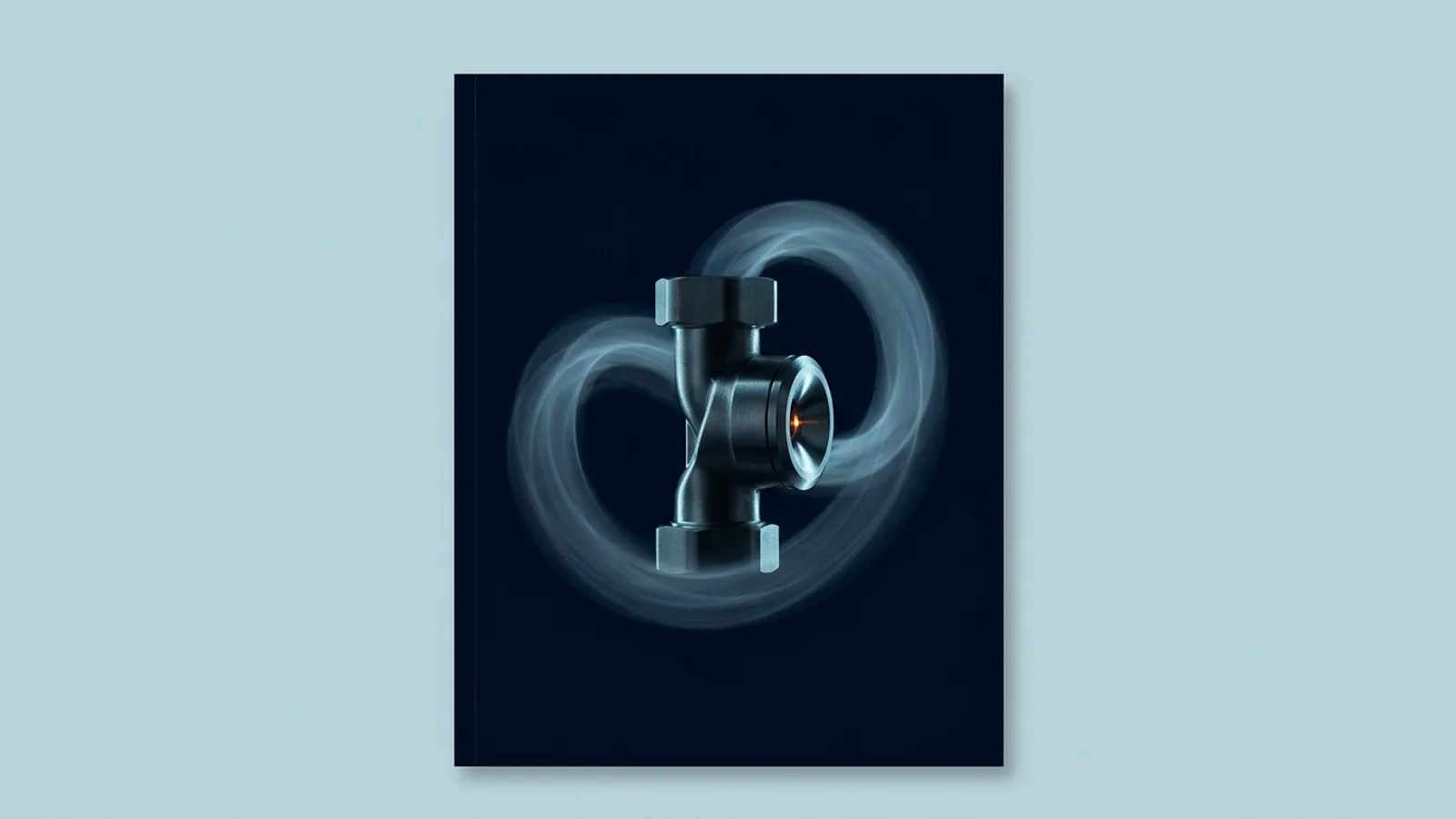
Exhaust-gas recirculation, or EGR, sends a controlled quantity of exhaust gas back into the intake. This reduces combustion temperature in specific operating areas and helps limit nitrogen-oxide emissions.
How EGR works
The ECU commands the EGR valve according to engine speed, load, temperature and the emissions strategy. Sensors are used to verify that the requested flow is plausible. On many engines, the system also includes a cooler.
EGR is not permanently open. Its position changes with operating conditions and it may be closed when the engine requires fresh airflow or full load.
Why deposits appear
Soot, oil vapour and repeated short journeys can create deposits in the valve, cooler and intake. Symptoms may include hesitation, loss of power, smoke, irregular operation or a warning light. These symptoms can have other causes, so diagnosis is essential.
A fault must be understood
Disabling a diagnostic message does not repair a blocked valve, leaking cooler or airflow problem. The complete intake and emissions system should be checked, and the legal requirements of the country must be respected.
Swaptune does not present emissions-system changes as routine maintenance. Our partners first identify the fault and the vehicle’s actual use.
FAQ
Does EGR operate at full load?
Generally its greatest role is in selected low- and medium-load areas, but strategies vary by engine.
Can cleaning solve every EGR fault?
No. Electrical, cooling, sensor and mechanical faults may require repair or replacement.
Is removing the warning light a repair?
No. It does not correct the physical cause or prove legal compliance.