
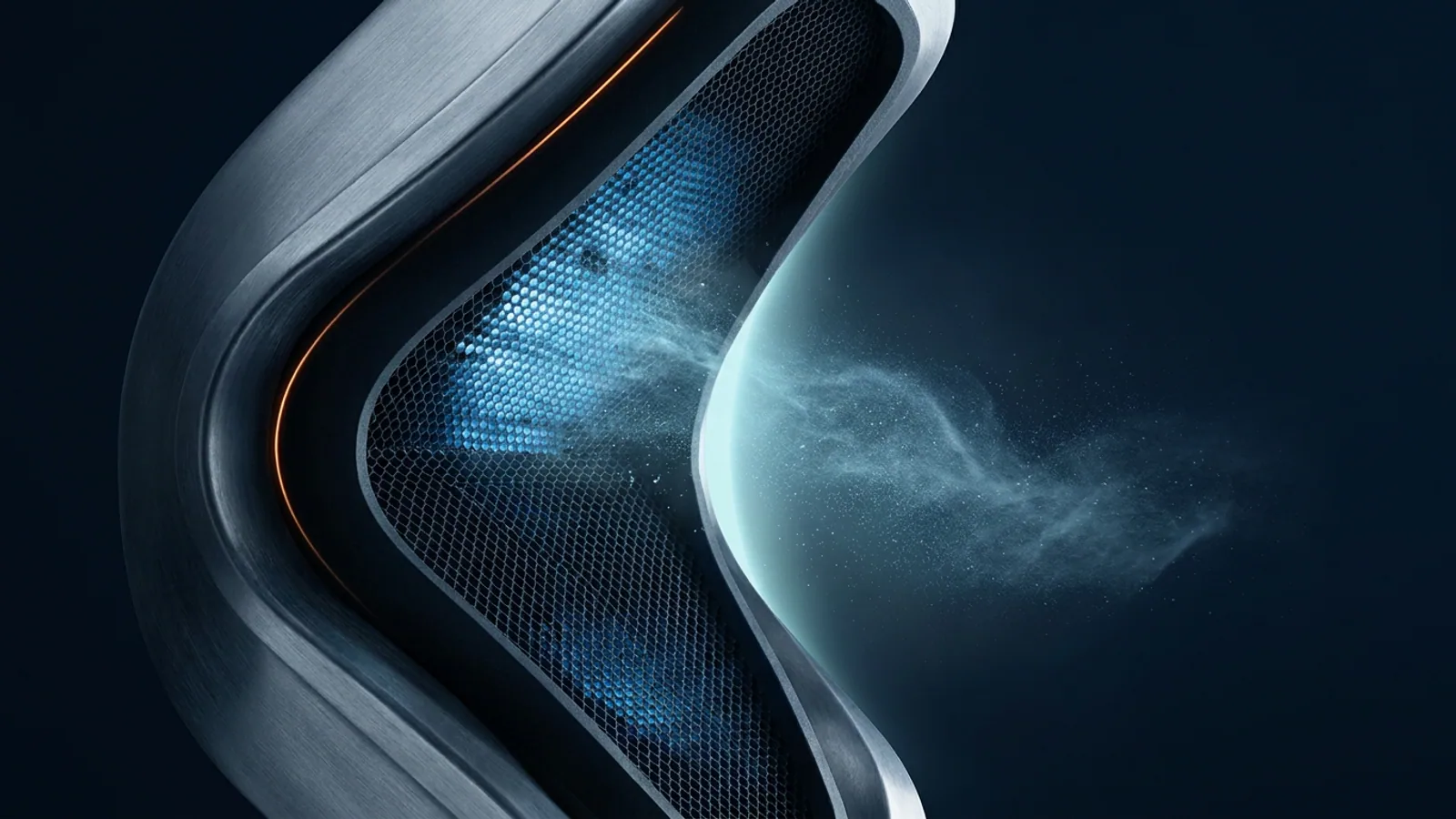
A diesel particulate filter, or DPF, captures soot in the exhaust. The ECU periodically raises the conditions needed to burn much of that soot during regeneration. The filter is therefore an active part of the engine-management and emissions system.
Soot and ash are different
Soot can be reduced during a successful regeneration. Ash comes from oil additives and normal engine wear and remains in the filter. Over time, ash loading may require professional cleaning or replacement.
How regeneration works
The ECU uses temperature, pressure and operating data to estimate loading and initiate regeneration. The vehicle usually needs sufficient temperature and a suitable driving period. Frequent short journeys can repeatedly interrupt the process.
Warning signs
Repeated regenerations, rising oil level, loss of power, high fuel consumption, excessive fan operation or pressure faults need diagnosis. The cause may be the filter, but it may also involve injectors, sensors, EGR, turbo operation, temperature control or the journey pattern.
Simply clearing the fault does not remove soot or ash and may hide a developing problem.
Tuning and the DPF
A performance calibration must keep fuelling and smoke control coherent with the functioning emissions system. Existing DPF problems must be repaired before tuning. Legal requirements also apply to the approved exhaust configuration.
Swaptune therefore treats software requests as a separate matter from the mechanical diagnosis that the partner must complete first.
FAQ
Can motorway driving clean every DPF?
No. It may help a valid regeneration, but it cannot repair a faulty sensor, injector or excessively ash-loaded filter.
Is soot the same as ash?
No. Soot can be burned during regeneration; ash accumulates physically.
Does deleting a diagnostic code repair the filter?
No. The underlying restriction or fault remains.