
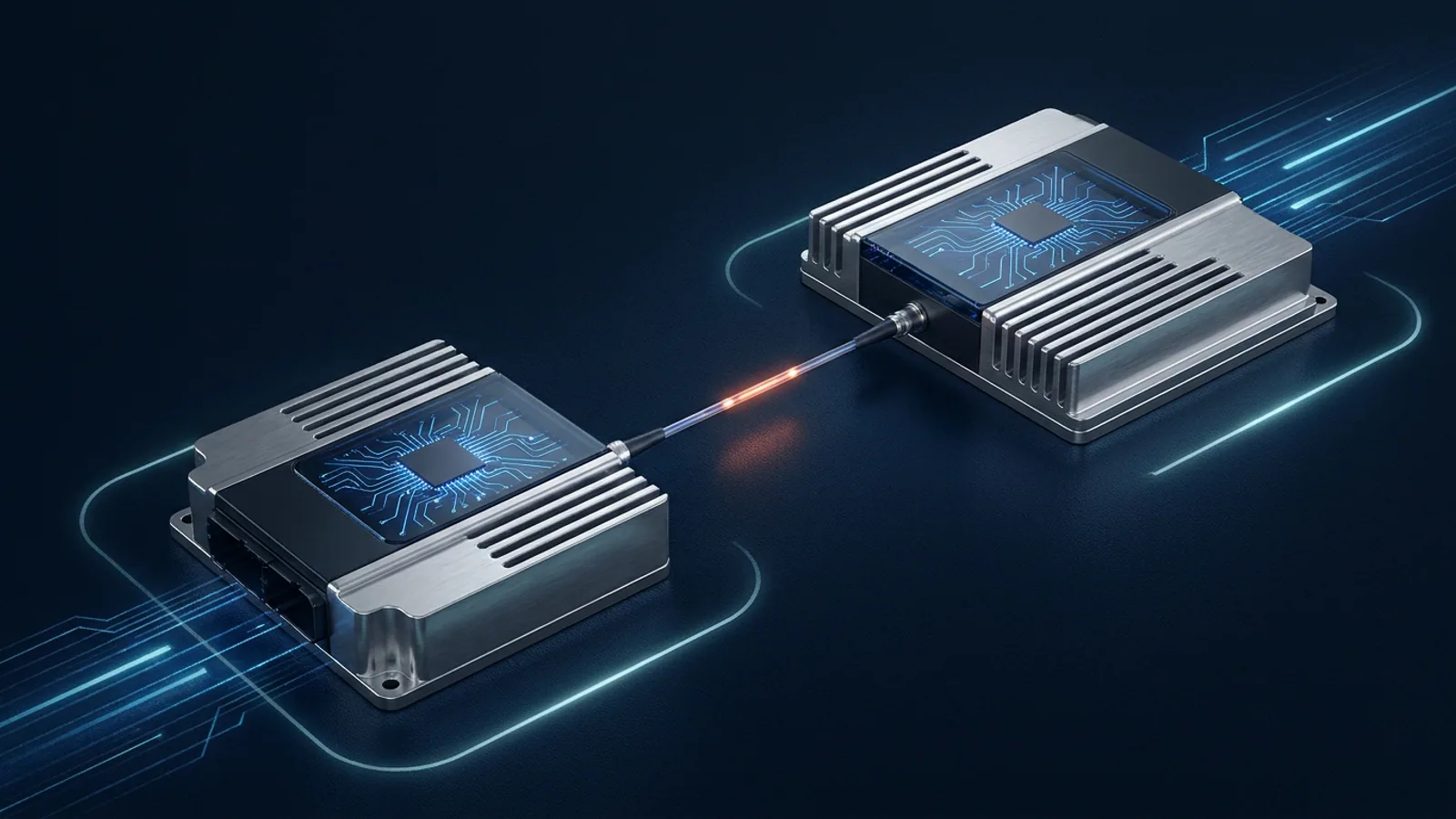
The ECU manages the engine; the TCU manages an automatic or dual-clutch transmission. On modern vehicles they exchange torque requests, limits and intervention messages continuously. A good engine result therefore cannot ignore the gearbox.
What the ECU controls
The ECU calculates engine torque from driver demand and operating conditions. It manages airflow, fuelling, ignition or injection timing, boost and protections.
What the TCU controls
The TCU selects gears, manages clutch pressure, shift timing and torque limits, and requests temporary engine interventions during changes. Its calibration is specific to the transmission and vehicle configuration.
Why they must agree
If engine torque exceeds a transmission limit, the vehicle may reduce demand, report implausible values or produce poor shifts. Raising every limit is not a professional solution; clutch capacity, temperature and mechanical condition still apply.
Swaptune identifies whether a catalogue entry concerns an engine ECU or a gearbox and only displays gains where they are meaningful.
FAQ
Does every Stage 1 require TCU tuning?
No. It depends on the transmission, its original limits and the target.
Can TCU tuning repair a worn gearbox?
No. Mechanical or hydraulic faults must be repaired first.
Why can torque be limited in several control units?
Because modern powertrains coordinate the engine, gearbox and stability systems.