
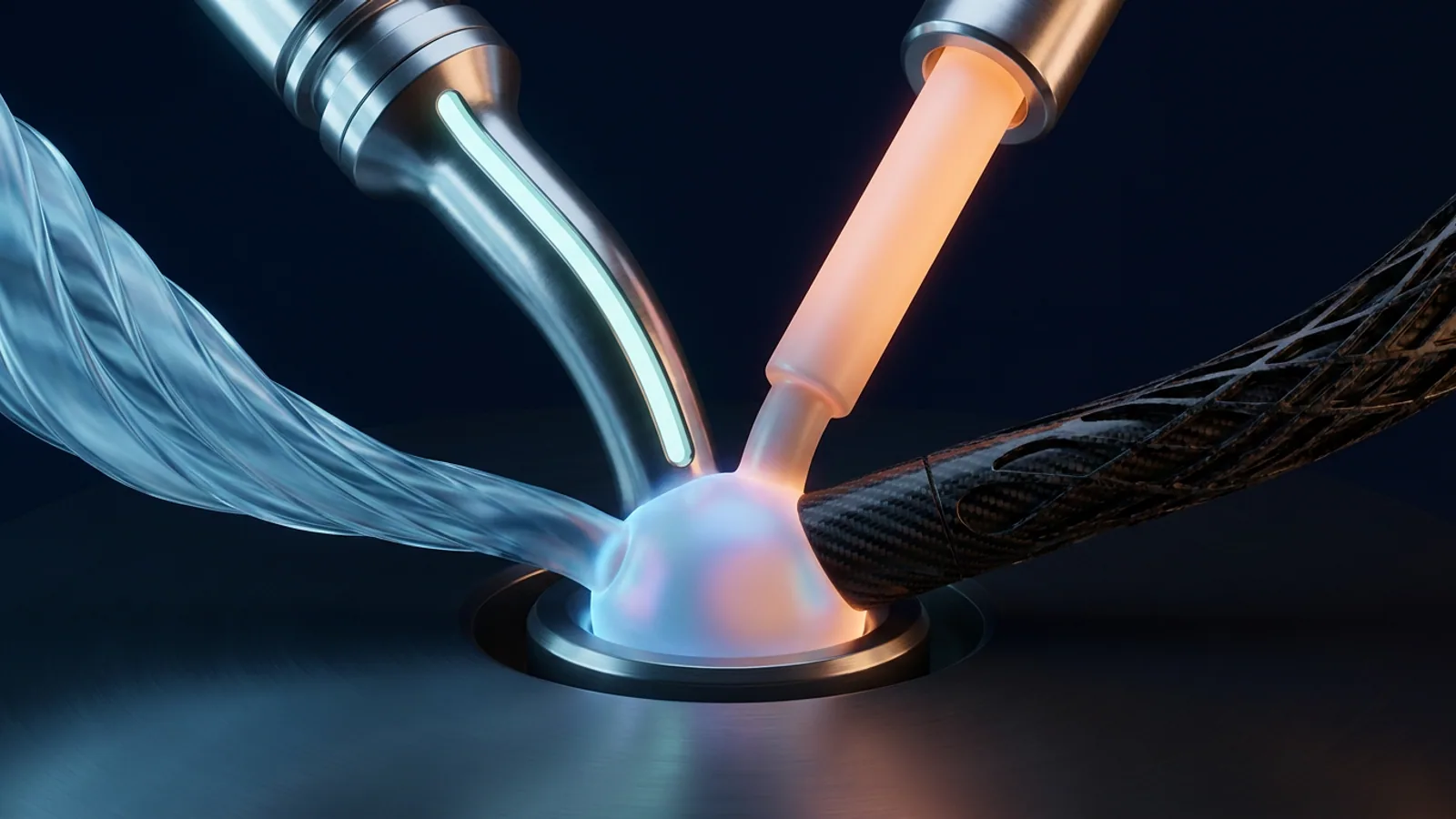
Combustion converts chemical energy in fuel into cylinder pressure, then mechanical work. Useful performance depends on supplying the right air and fuel, preparing the mixture correctly and controlling when pressure rises.
Petrol combustion
In a petrol engine, the spark initiates combustion. Mixture, ignition timing, charge motion, compression and octane all influence speed and stability. Knock and excessive exhaust temperature indicate that the process is outside a desirable range.
Diesel combustion
In a diesel engine, fuel is injected into hot compressed air and ignites without a spark plug. Injection pressure, timing, duration and air availability control torque, noise, smoke and temperature.
Why calibration values interact
Boost changes the available air. Fuel quantity changes released energy. Timing changes where pressure occurs. Temperature corrections and component protections influence what can safely be requested. Adjusting one table without the rest can create contradictory control.
Swaptune treats the calibration as a connected strategy and chooses targets suited to the identified engine and fuel.
FAQ
Is a richer petrol mixture always safer?
No. The correct mixture depends on the operating condition; excessive fuel can also create problems.
Does black diesel smoke mean more power?
It usually indicates fuel that is not being burned cleanly and is not a quality target.
Can software change compression ratio?
No. Compression ratio is determined by engine geometry.