
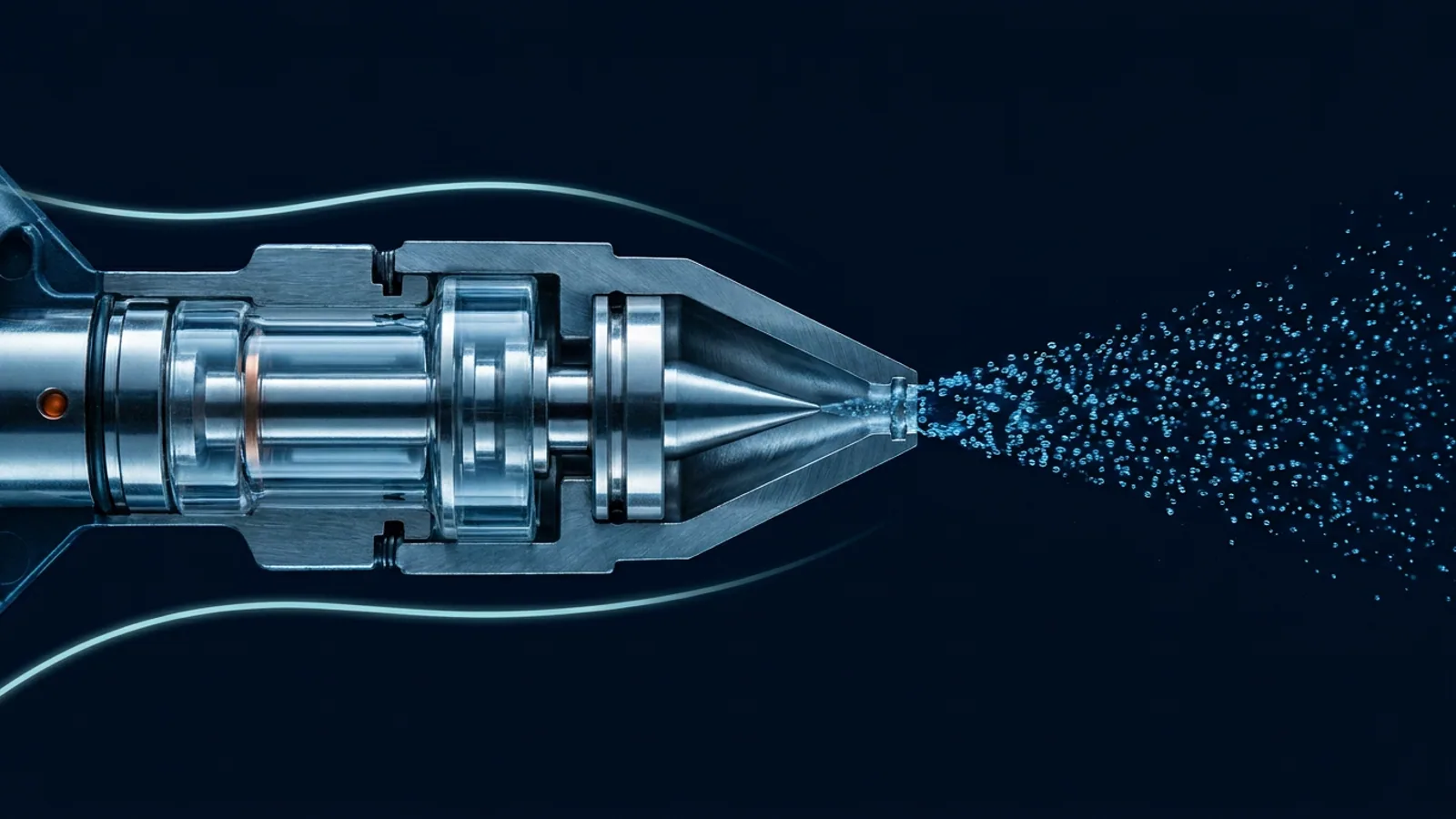
Fuel injection delivers a measured quantity of fuel at a precise moment. The ECU calculates that quantity from airflow, pressure, temperature, engine speed, driver demand and feedback from the combustion and emissions systems.
Port and direct injection
Port injection sprays petrol into the intake port before it enters the cylinder. Direct injection sprays fuel into the combustion chamber at much higher pressure. Some engines combine both systems.
Modern diesel engines generally use common-rail direct injection. A high-pressure pump supplies a shared rail, while the ECU controls one or more injection events for each combustion cycle.
Why pressure and timing matter
Injector flow alone does not define capacity. Fuel pressure, available injection time, spray quality and pump delivery all affect the usable amount. As engine speed rises, the time available becomes shorter.
A calibration that requests more torque must confirm that the fuel system can deliver the corresponding quantity without exceeding its operating range.
Symptoms requiring diagnosis
Hard starting, irregular idle, smoke, misfires, pressure deviations and correction values outside their normal range may indicate an injection problem. Wiring, sensors, air leaks and mechanical condition can create similar symptoms.
At Swaptune, a suspected fuel-system limitation stops the performance request until the partner has diagnosed it.
FAQ
Does a larger injector automatically add power?
No. It adds potential fuel capacity only when the complete system and calibration can use it.
Can software fix a weak fuel pump?
No. Software cannot replace missing pressure or flow.
Why can two versions of the same engine use different targets?
Their injectors, pumps, ECU software or emissions strategies may differ even when the model name looks identical.