
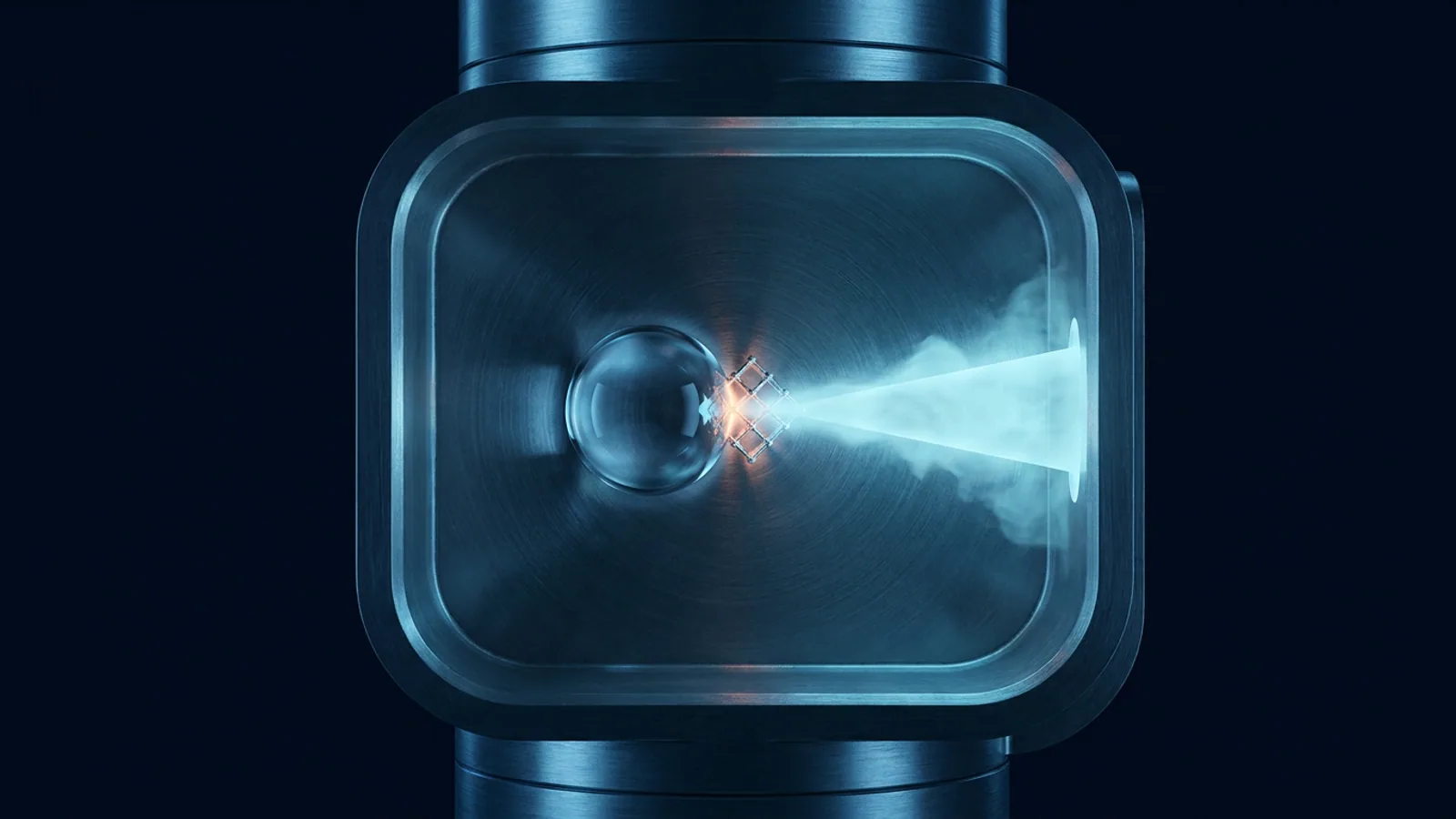
Selective catalytic reduction, or SCR, treats nitrogen oxides in the exhaust of many modern diesel vehicles. AdBlue is injected upstream of the SCR catalyst so that chemical reactions can convert much of the NOx into nitrogen and water.
What AdBlue is
AdBlue is a precisely specified urea solution. It is not a fuel additive and must never be poured into the diesel tank. It has its own reservoir, pump, lines, injector and monitoring system.
How the system is controlled
The ECU or a dedicated controller calculates dosing from exhaust flow, temperature and sensor information. The catalyst must reach an effective temperature range. NOx sensors before and after treatment help assess whether the expected conversion is taking place.
Common causes of faults
Crystallisation, a defective pump or injector, heater faults, wiring, poor-quality fluid and failing NOx sensors can all trigger warnings. Because several components interact, replacing a part based only on a fault-code label can be expensive and ineffective.
What a warning means
Some vehicles display a countdown before starting is restricted. This is a regulatory strategy, not merely an inconvenience to hide. The correct response is diagnosis of the dosing and monitoring system.
Swaptune treats emissions faults separately from performance calibration. A vehicle must be functioning correctly before tuning is considered.
FAQ
Is AdBlue mixed with diesel?
No. It is injected into the exhaust system from a separate tank.
Can poor AdBlue quality cause a fault?
Yes. Contamination or fluid outside specification can damage operation.
Does clearing the warning solve the problem?
No. If the cause remains, the warning and any start restriction will return.